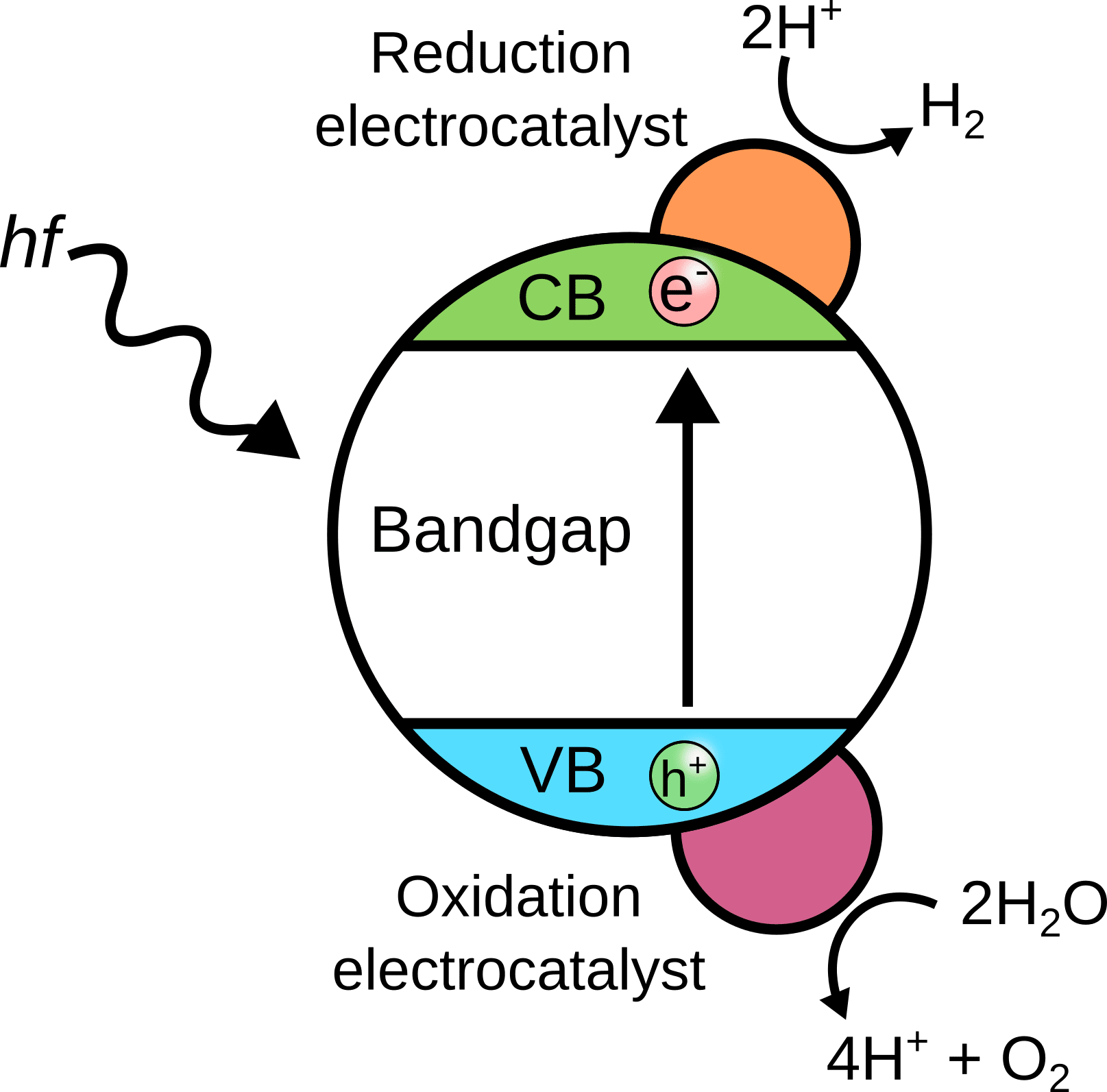
Bengaluru के Centre for Nano and Soft Matter Sciences के researchers ने metal-free organic material report किया है जो solar-driven hydrogen production improve कर सकता है. Team ने aspartic acid को perylene diimide के साथ combine किया और molecules को water में ordered two-dimensional nanosheets में self-assemble होने दिया.
Department of Science and Technology release के मुताबिक self-assembled material ने solar-driven water-splitting experiments में अपने bulk counterpart की तुलना में करीब 18% higher photocurrent दिखाया. Molecular organisation ने light absorption, charge separation और charge transport बेहतर किया.
Result promising है, लेकिन यह laboratory-stage materials research है, commercial hydrogen-production system नहीं. Scale-up, stability, real-world solar-to-hydrogen efficiency और competing catalysts के मुकाबले lifecycle cost तय करेंगे कि approach practical importance तक पहुंचती है या नहीं.